About BioBot

Two teenagers. One wildfire town. A global mission.

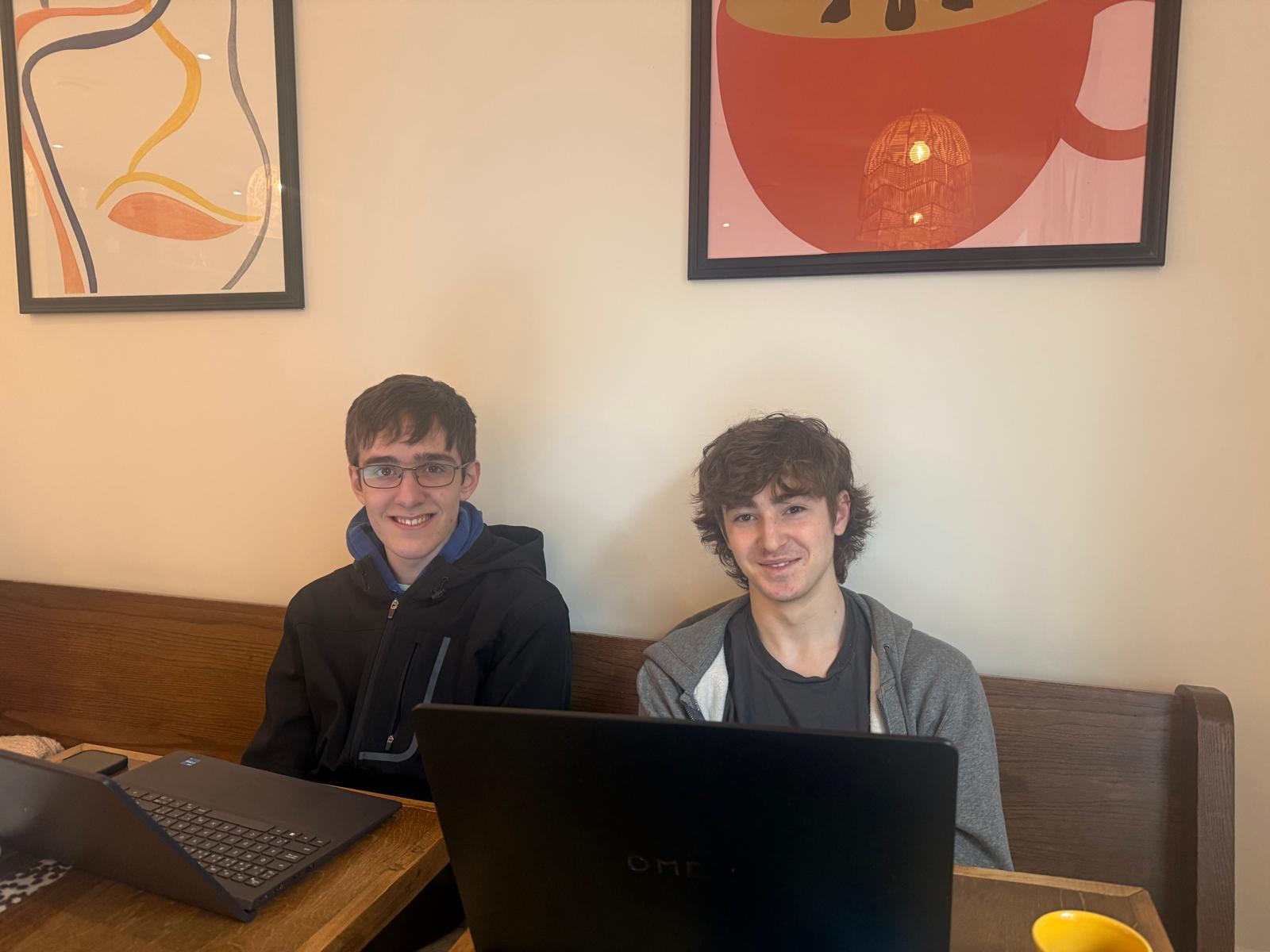
BioBot started when two high schoolers from Kelowna, BC asked a simple question: if the technology to detect wildfires early already exists, why is 99% of the world's forests still unprotected? Their answer changed everything.

We grew up breathing wildfire smoke.

Kelowna, British Columbia. Every summer, the sky turns orange. Schools close. Families evacuate. The air quality index hits "hazardous." We've lived this our entire lives. It's not abstract for us. It's the smell of our childhood summers.

In 2025, we discovered that a German startup called Dryad Networks had built a sensor that detects wildfires in their first minutes, during the smoldering phase before visible flames appear. They raised over 10 million euros. The technology works. But each sensor costs $50+ and requires their proprietary infrastructure. Most of the world's forests will never see one.

So we built our own. And then we made the decision that defines everything about BioBot: we gave it away. Every schematic, every line of firmware, every data point from every fire test. Open-source. Because a company would protect one forest at a time. A community can protect all of them at once.
The Founders

Started by two teenagers who refused to wait.

While others debated policy, Kaan and Joshua started building. What began as a school project became a global open-source mission.

Kaan Oytac

Co-Founder

Hardware Lead & Vision

Kaan grew up in Istanbul, Turkey, however, after seeing places around the world - Kelowna, Bodrum and Marmaris alike - face the damage caused by wildfires, he became determined to create a solution to minimize the damage caused by them with his friend Joshua Kroker.

He saw that the main reasons wildfires induced such large amounts of damage was because they were not recognized fast enough - especially in less urban cities.

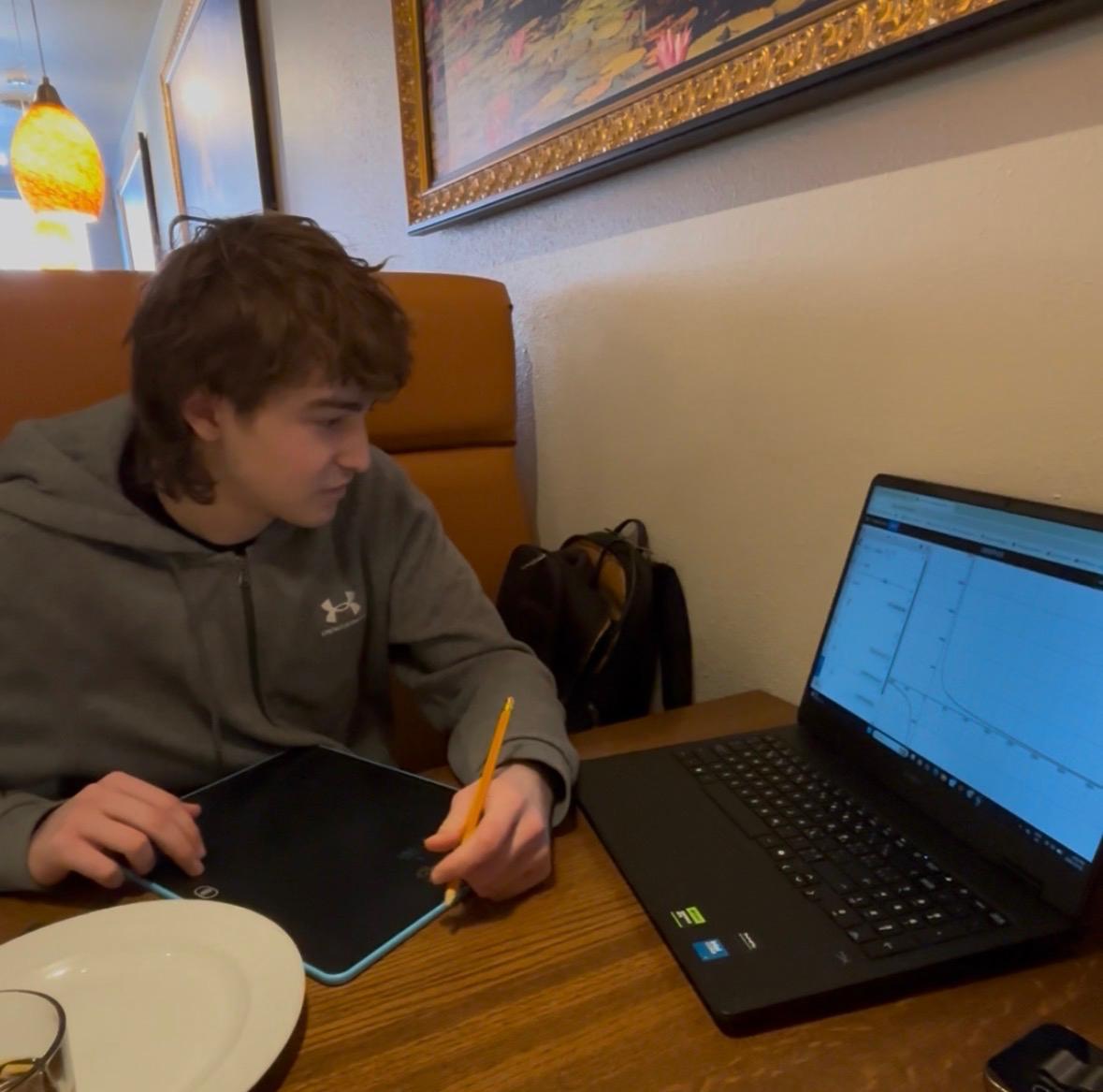
He knew that the technology was out there, but that no one had made the leap to create an open source initiative to solve the problem - an initiative that would be usable by everyone worldwide. He and Joshua designed the BioBot Habitat Sensor from the ground up: selecting the BME688 and BMV080 sensors, wiring the prototype, and running the controlled burn tests that proved the concept works.

What started as a capstone project became something bigger when Kaan realized the real impact wouldn't come from one device, but from thousands of people building their own. That insight, that open-source crowd wisdom could outperform any corporate R&D team, became the foundation of BioBot.

Kaan leads hardware development, runs field tests, and sets the technical direction for the project. He defined the "Identify, Share, Crowdsource" model that makes BioBot fundamentally different from every other wildfire detection initiative.

Joshua Kroker

Co-Founder

Software Lead & Infrastructure

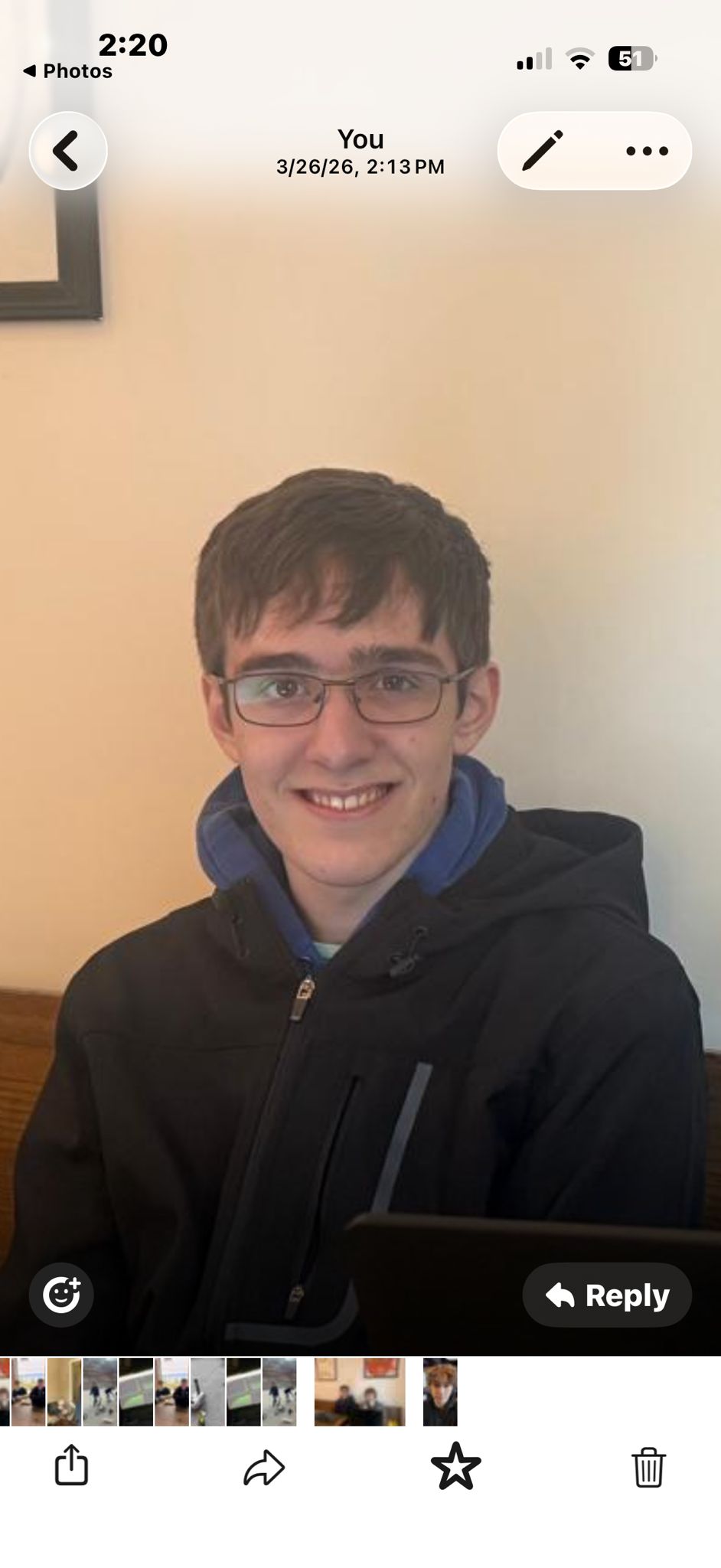
Josh is a high school student based in Kelowna, BC, with a passion for technology that goes way beyond the classroom. He's currently exploring computer science and cybersecurity as future career paths, driven by a genuine curiosity about how systems work and how they can be pushed further. Whether he's building and optimizing high-performance PC setups, setting up servers, or writing research papers on real-world applications like wildfire detection systems, Josh approaches every project with the same hands-on enthusiasm and attention to detail. Beyond the technical side, Josh is someone who loves to understand things at a deeper level, from the architecture behind modern hardware to the nuances of network configuration and software development. He's the kind of person who doesn't just use technology, but takes it apart, figures out how it works, and builds something better. With a strong foundation already in place and a growing set of skills, Josh is well on his way to making his mark in the world of tech.

Kaan builds the sensor. Josh builds the system. The community builds the future. Together, they've created something neither could alone: not just a device, but an open platform that turns every contributor into a co-creator. BioBot doesn't have employees. It has a mission. And it's growing one builder, one coder, one forest at a time.

Our Operating Model

Identify. Share. Crowdsource.

This three-step cycle turns our biggest apparent weakness (a small team) into our greatest strategic advantage.

🎯
01

Identify Goals and Problems

We define clear, measurable goals and publicly document every problem standing in the way. Every challenge is framed as an open question, not a closed decision. We publish what we know, what we've tried, and where we're stuck. No hiding, no spin, no corporate secrecy.

📡
02

Share Solutions Transparently

We share our current best solution to each problem, including all data, test results, and reasoning. Nothing is held back. The community can see exactly where the project stands, evaluate the trade-offs, and build on what exists rather than starting from scratch.

🌍
03

Crowdsource Better Iterations

The community is explicitly invited to propose, test, and submit better solutions. An embedded systems engineer in Germany might optimize power management. A forestry researcher in Brazil might contribute calibration data. A university lab in Japan might design a better PCB. Each contribution is evaluated, tested, and if proven better, adopted. The original solution is never treated as final.

“Our job isn't to have all the answers. It's to ask the right questions, set the goals, curate contributions, and maintain quality. A closed team of five can never out-engineer a global community of thousands.”

Our Journey

How we got here.

2025

The idea

Kaan discovers that wildfire detection technology exists but is inaccessible. Begins researching the BME688 sensor and LoRa communication.

2025

First prototype

BioBot Habitat Sensor v1 assembled on a breadboard. BME688, BMV080, and ESP32-S3 connected. First successful sensor readings.

2025

Fire test: it works

Controlled burn test in Kelowna. Sensor detects fire through physical obstruction at 6.78m in under 3 minutes. PM readings spike from 5 to 80+ ug/m3.

2025

Joshua joins

Joshua Kroker comes on board as co-founder. Builds the API, server infrastructure, Grafana dashboards, and finalizes the firmware.

2026

NatGeo Slingshot Challenge

BioBot submitted to National Geographic's Slingshot Challenge. The team decides to go open-source and release everything.

2026

Open-source launch

Full hardware designs, firmware, and test data published on GitHub. thebiobotproject.org goes live. Discord community opens.

2026

The future: you

This is where the story stops being ours and starts being everyone's. Join the mission.

Ready to be part of this story?

Go back to the main site to see how you can contribute, or jump straight into the community.

Back to Home → GitHub ↗ Discord ↗